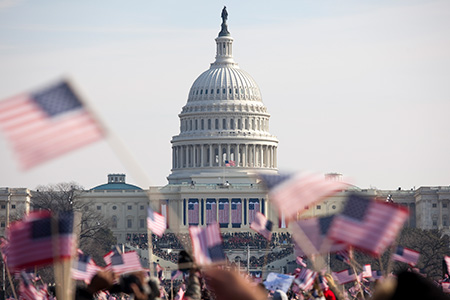



The United States Government last shutdown was for 26 days between 1995 and 1996. According to The CBO (Congressional Budget Office) this shutdown shaved about .50 percent of quarterly growth from the U.S. Economy. With a partial shutdown now in place, below are some of the concerns investors need to be aware of when it comes to their portfolio:
- If the shutdown persists for upwards of one month, we could see economic growth decline by as much as 1.5%, some $55-$60 billion. Investors need to be aware of the potential talk of recession fears if the shutdown continues. Markets are skittish so volatility may pick up.
- Federal Reserve Tapering is becoming political: the threat of the Government shutdown made Fed officials reconsider the reduction of tapering; the economy is still considered “luke-warm” especially as it relates to jobs.
- Nearly 1 million government employees on furlough directly effects spending in the private sector as well – jobs are the mother’s milk of the economy. Government based contracts could be put on hold ultimately affecting some corporate earnings.
- Beware of False Accusations: The Shutdown and Debt Ceiling issues are converging together: The government’s $16.7 trillion spending cap is set to reach its limit October 17th. No doubt, raising the debt ceiling so the Congress may continue to spend more with a “broken credit card” is not a long-term solution and could have negative implications. To force a compromise, government officials will threaten to stop Social Security checks being sent to retirees. The President has and will likely utilize executive branch power to raise the debt ceiling so that the US will not default on its obligations if necessary.
- Interest rates are likely to remain low for longer than we think. The talk of tapering only affects the “degree” of how much the Congress is spending on their credit card. If interest rates rise the cost to borrow as well as maintain credit balances rises. For every 1% interest rate increase it may cost $160 billion or more in additional interest charges to the federal budget. The Fed and Treasury are keenly aware of this.
There are many concerns we see in the current political landscape and the dysfunction in D.C, if the shutdown takes on a new level of wrangling. However, we also see many opportunities as we sit back observe and watch “elephants collide.”
- We could be in a corrective phase which we would add to equities – energy , biotech sectors.
- We are adding to municipal bonds (where appropriate), as rates have crossed the 5% tax free(9% equivalent at the top tax bracket).
- Auto Recovery: at General Motors, 9 of 17 plants operate at full capacity, more than any at any other time in history.
- Companies that can, will deploy capital and generate risk adjusted returns, ie: VISA/MC
- Consumer companies which benefit from demographics and events look attractive, ie NIKE – summer Olympics and World Cup Soccer.